 yanıtly
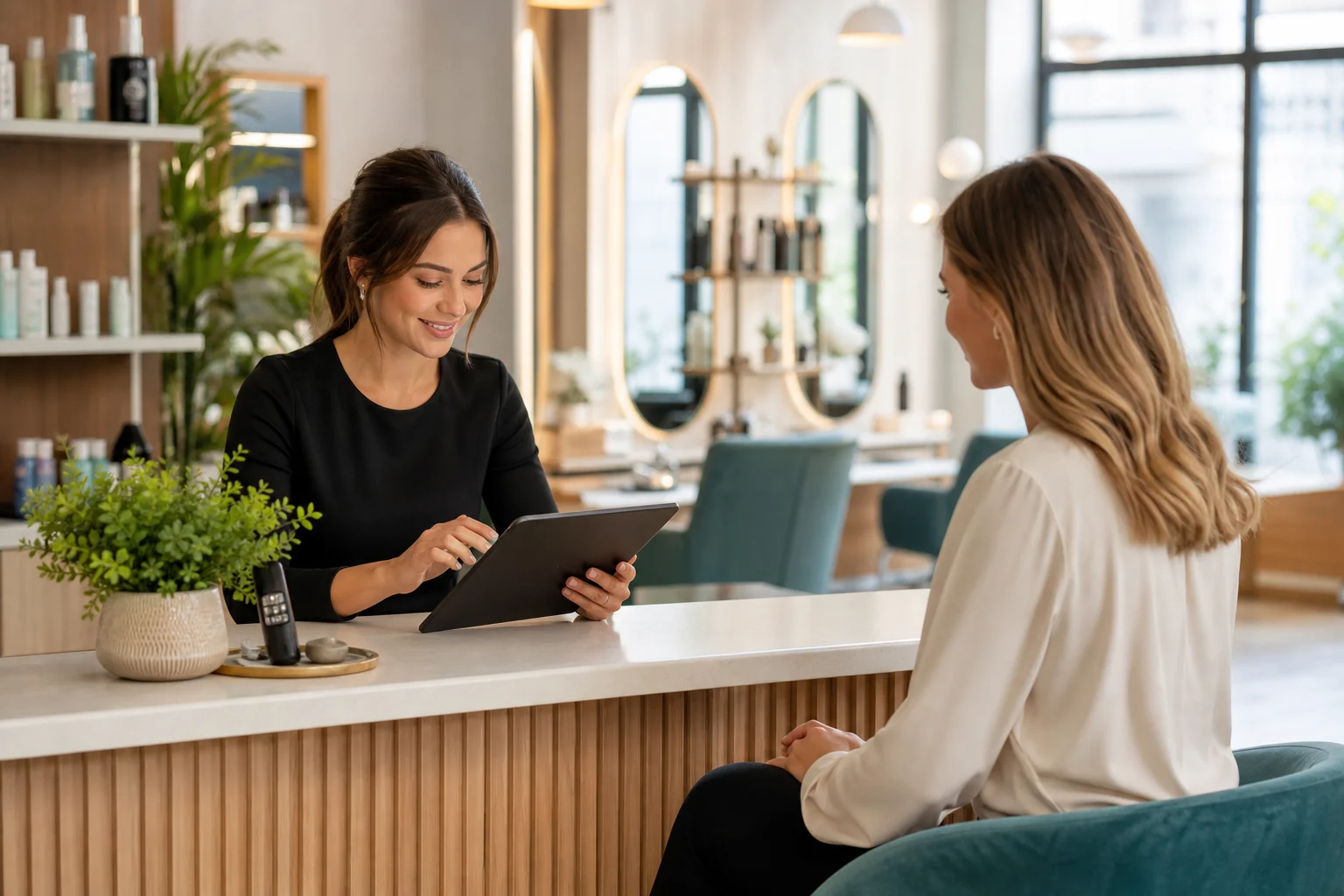
In a beauty salon, the customer experience often starts before the service itself. A customer asks for a haircut, skin care, nails, laser, or package appointment; if the team is busy with clients, the call is missed, WhatsApp is seen late, or an Instagram message disappears in the inbox.
An AI booking assistant standardizes that first contact. The goal is not to replace the salon team. It is to catch high-intent requests during busy hours, collect the right details, and leave a clean follow-up record for the staff.
Where appointment loss happens
The first loss point is peak service hours. Reception may be handling the front desk, payments, staff calendars, phone calls, and WhatsApp at the same time. If a new customer reaches another salon faster, the booking opportunity weakens quickly.
The second loss point is inconsistent information. Customers ask how long a service takes, whether there is availability today, or which package fits them. If answers change from person to person, trust suffers.
What the AI assistant should collect
A good flow first understands the service need: hair, skin care, nails, epilation, brow and lash, or consultation. Then it collects preferred day and time, staff preference if any, contact details, and whether the customer has visited before.
The assistant should not invent prices, guarantees, or medical/esthetic claims. It should only use verified knowledge-base information such as service duration, starting price ranges, campaign terms, and working hours.
Phone, WhatsApp, and website in one panel
Salon customers often call first, send a photo on WhatsApp, then ask another question on Instagram. If those channels stay separate, the team may treat the same customer as three different people.
An omnichannel setup solves this. Phone calls, WhatsApp messages, and website widget chats merge into one customer profile. The representative sees what the customer wanted, when they called, and what answer is still pending.
Reducing no-shows with reminders
After booking, the next challenge is no-show risk. Reminder messages, cancellation or rescheduling links, and a soft follow-up flow make the calendar more predictable.
For a salon, a practical reminder flow is a WhatsApp reminder one day before, a short same-day confirmation, and a polite follow-up record if the customer does not arrive.
When human handoff is necessary
AI should not try to solve every case. Allergies, sensitive skin, medical esthetic questions, price objections, complaints, and special package negotiations should move to a human representative.
Good handoff prevents repetition. The AI passes the conversation summary and collected details to reception or a consultant so the human can continue from the right point.
Setup checklist
- List services, durations, staff rules, and calendar logic.
- Define working hours, holidays, and busy-hour scenarios.
- Decide when pricing and campaign information can be shared.
- Connect phone, WhatsApp, Instagram, and website channels into one panel.
- Create human-handoff rules for sensitive topics.
- Test reminders, cancellations, and rescheduling flows.
Conclusion
An AI booking assistant for beauty salons is not just an auto-reply bot. When configured well, it brings phone, WhatsApp, and website appointment intent into one operating rhythm. The team can focus on service quality while serious requests stop slipping away.
Frequently asked questions
What does an AI booking assistant do for a beauty salon?
It handles booking requests from phone, WhatsApp, Instagram, and the website, collects the service need and preferred time, and hands sensitive cases to a human. The goal is not to replace the team, but to catch requests that would otherwise be missed during busy hours.
Can the AI promise prices or beauty results?
No. For beauty and esthetic services, the AI should only share approved knowledge-base information such as service duration, starting price ranges, campaign terms, and working hours. It must not invent results, medical guarantees, or unapproved pricing.
Can it help reduce no-shows?
Yes. WhatsApp reminders before the appointment, same-day confirmation, and cancellation or rescheduling flows can reduce empty calendar slots. These workflows create discipline without overwhelming customers.
When should the conversation hand off to a human?
Allergies, sensitive skin, medical esthetic questions, complaints, package negotiations, and price objections should move to a human representative. A good handoff passes the summary and collected details to the team.
Published: 2026-06-16 · Content updated: 2026-06-16